Calling all rebels, mavericks, iconoclasts & pioneers.
If you're passionate about coffee and ready to be a part of the best damn coffee company around, we'd love to hear from you.

We've never done things the normal way. Normal is a setting on a dryer, not a strategy for living.
We're rebellious and unapologetic. Just like you. We're here for the primal screamers, after-work artists and accidental entrepreneurs, for the irreverent storytellers who exist on their own timelines, and the impatient over-thinkers who keep their foot on the gas no matter what.
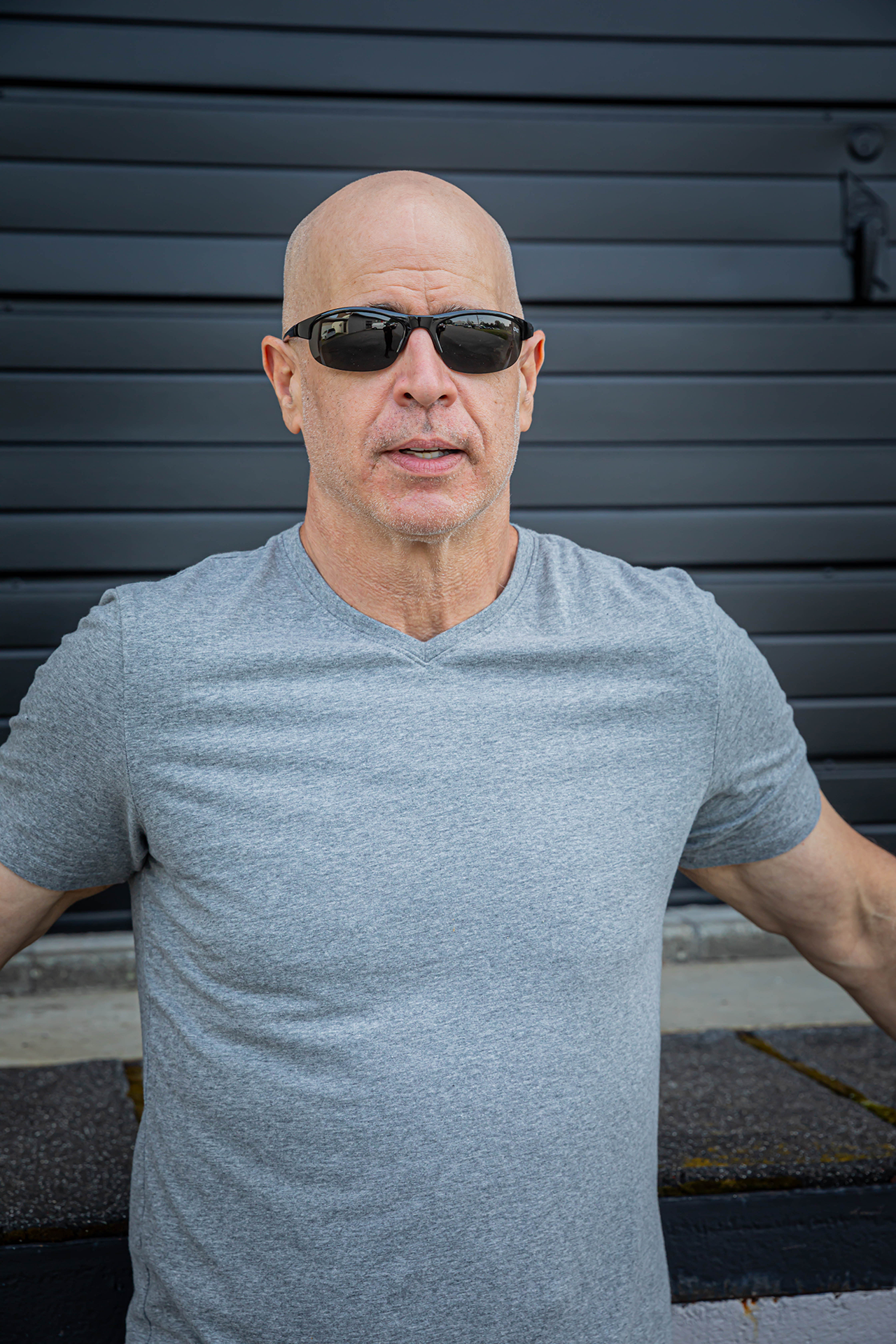
President
Interests:
Gym rat & Pizza
John is the man behind the curtain. He has a very impressive business and legal background, but isn't swayed by the lure of showmanship. John has a vision for Rare Breed, and it's one where specialty coffee gets out of its own way.
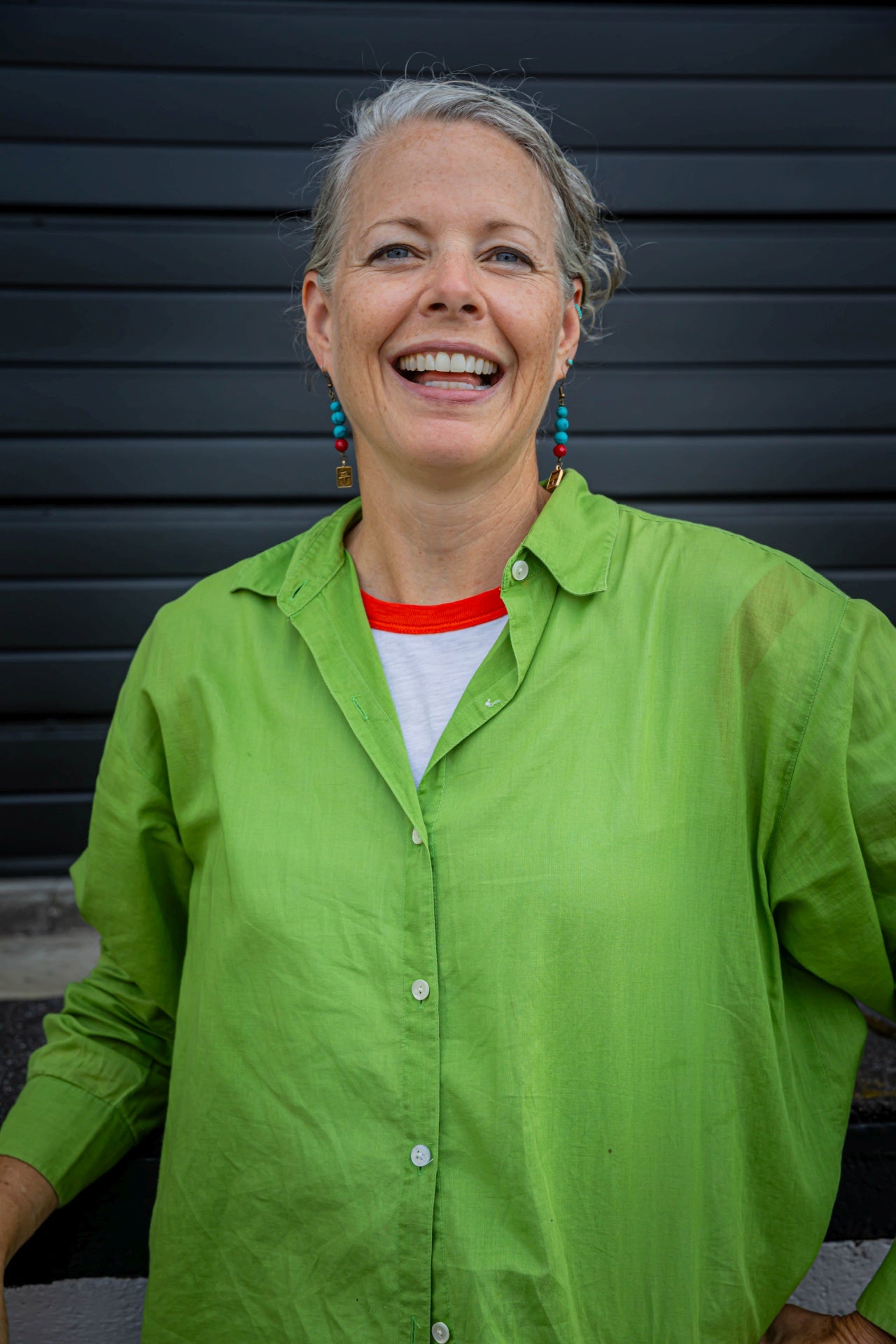
VP of Operations
Interests:
Triathlete, French Fries
Emeran is the ringmaster of this operation. She pulls the strings at just the right time so the show of roasting, packaging and shipping goes on without a hitch. Emeran has played every role over the past 20+ years and can see through the BS that sometimes gets tossed around the specialty coffee world.
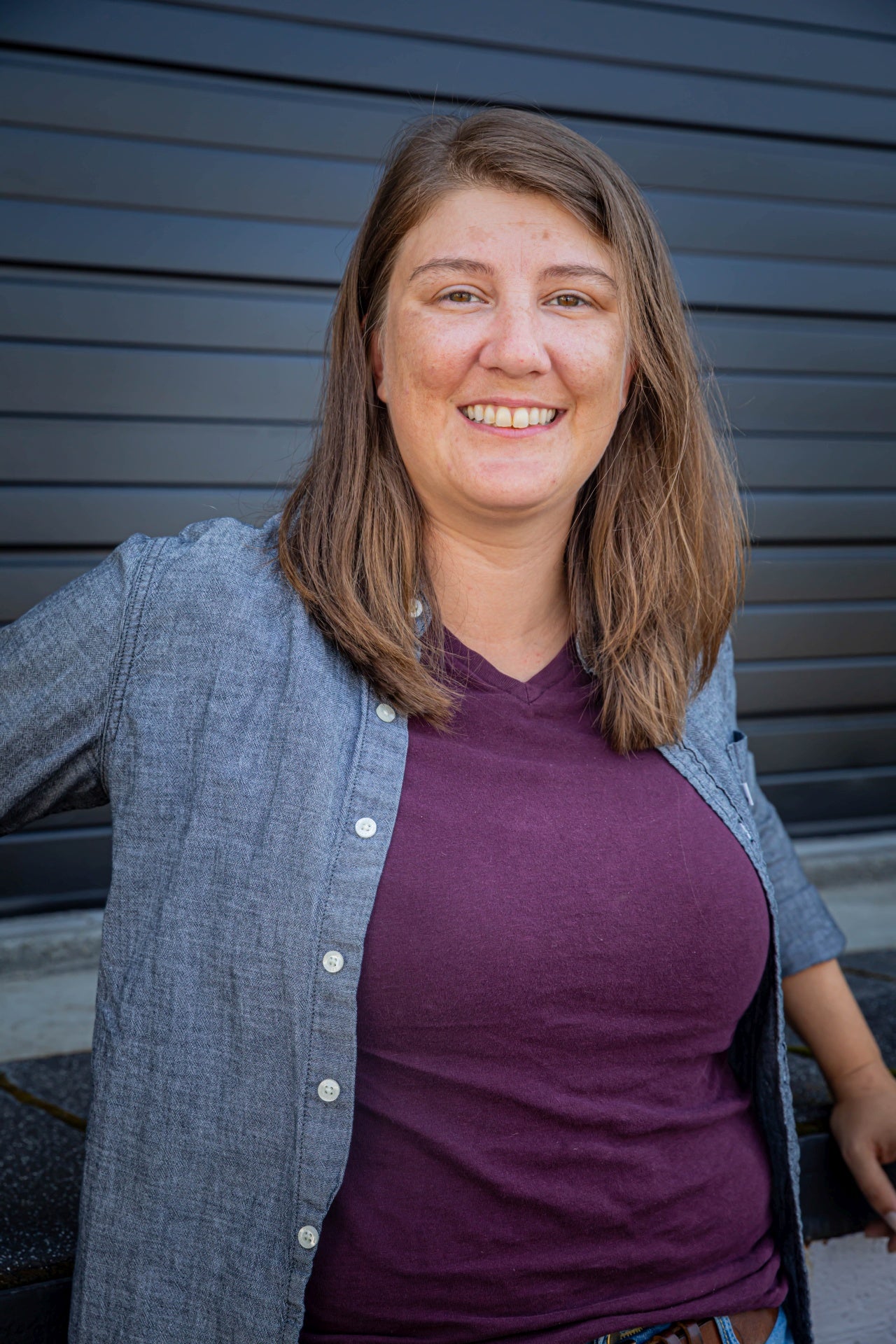
Quality Control
Interests:
Drummer, Hamburgers
Rachel is our quality control maestro. Nothing goes out of here that doesn't have her stamp of approval. Her spidey senses are finely tuned. She’s an understated bad-ass and gets up to her elbows working on coffee equipment.
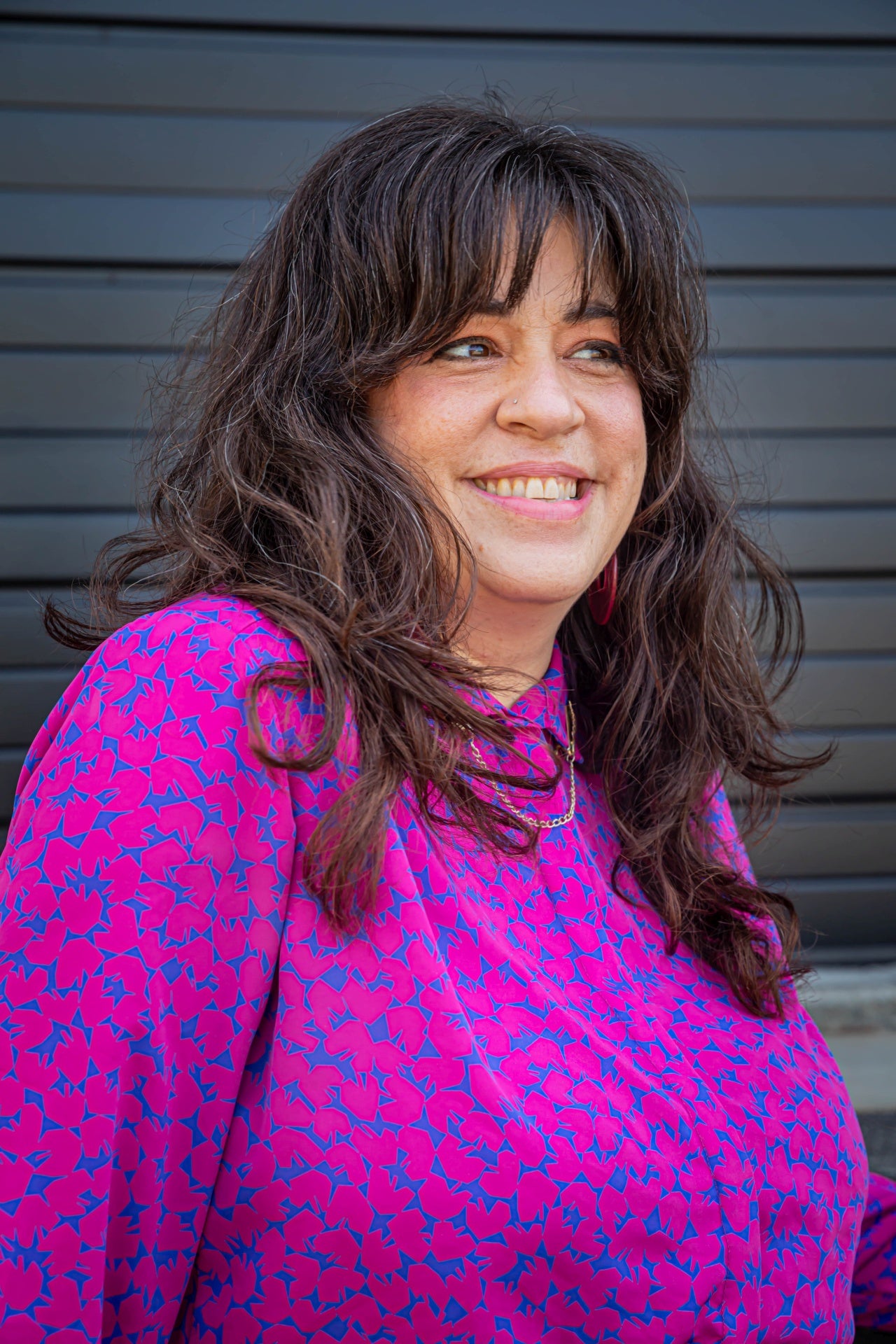
Production Specialist
Interests:
Family, Vintage Shopping
Kit handles online fulfillment. If you order coffee or tea online, Kit is your best friend. She oversees order fulfillment from start to finish. Kit wins the best-dressed award. Her sense of style and music infuse the space with fun and funk.
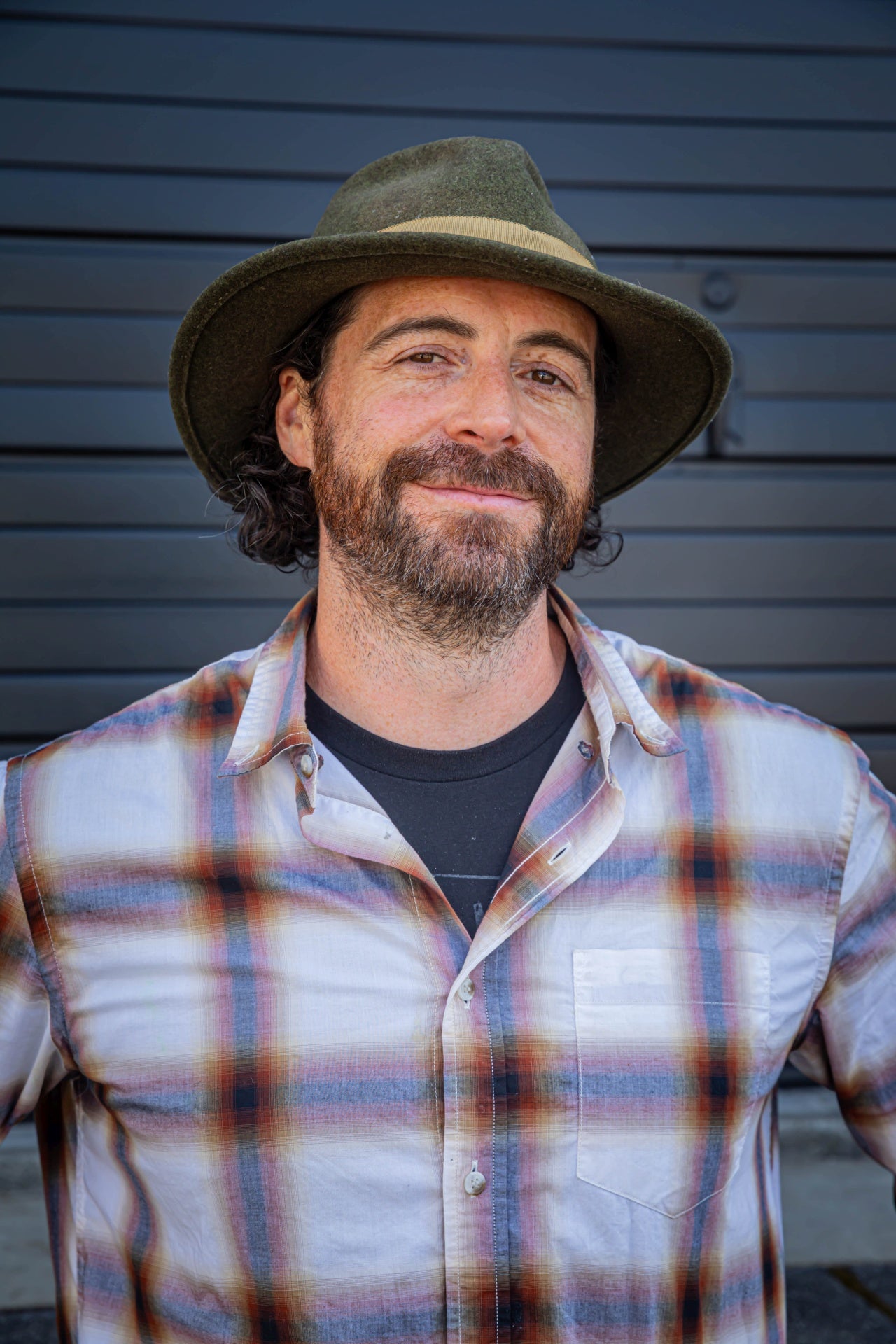
Roastmaster
Interests:
Surfing, Classical music
Mike is our resident coffee whisperer. He loves the crossroads of science, art, and mystery. Mike has years of roasting experience and literally coaxes the most amazing flavors out of the green coffee. He is also a guardian of approachability in our coffee.
If you're passionate about coffee and ready to be a part of the best damn coffee company around, we'd love to hear from you.
Our global partners grow insanely good coffee varietals using sustainable and ethical practices. They’re pushing boundaries with their production methods and positively impacting the environment. Without them, Rare Breed would not exist.
We roast some bitchin’ coffees, but we can’t take all the cred. Coffee has to be grown, cared for, picked, processed and shipped all before we even have a chance to impart our own wisdom. Below are our current coffee producers, co-ops and all around coffee mavericks.
Grown in the mountainous Madriz region of northern Nicaragua, organic Strictly High Grown (SHG) coffee from the UCA San Juan del Río Coco cooperative thrives under a lush, bird-friendly forest canopy. Cultivated by a dedicated union of over 370 smallholder farmers, the hand-picked cherries are fully washed and carefully patio-dried by cooperative experts to prevent defects. The high-altitude climate slows bean maturation, concentrating natural sugars to yield a wonderfully dense, eco-friendly crop.
In the cup, this coffee offers a quintessential Central American profile featuring a smooth, velvety medium body and a beautifully balanced, gentle acidity. Its flavor is anchored by a comforting, sweet depth of creamy cocoa, roasted hazelnut, and warm caramel, subtly brightened by a soft whisper of citrus or crisp apple. It is an effortlessly drinkable selection that seamlessly bridges rigorous environmental stewardship with artisan quality.
Founded in 2013, the Cooperativa Multifuncional Family Coffee R.L. (COMULFAC) sources from family owned farms. The farmers grow coffee on farms that average 4 to 100 acres in size and use their own micro-mill to process the coffee cherries. This allows for detailed attention while the coffee goes through the depulping, fermenting, and drying stages.
COMULFAC was established with assistance from J&M Family, a privately owned export company in Jinotega. The idea behind establishing a cooperative model was to help the farmers organize their efforts and combine their resources to develop social projects aimed at improving the quality of life in their communities.
Finca Humana (the Human Farm) is a guiding principle of this cooperative in Marcala, Honduras. The wellbeing of humans is foundational to the COMSA philosophy. Educating the more than 1,500 producer-members to successfully live in harmony with nature is a key focus at COMSA.
La Fortaleza is the COMSA biodynamic educational farm. The focus is to educate the co-op members on how to live in harmony with nature and still make a living.
The trailblazing ideas for using organic matter to cultivate high quality coffee is only a sliver of what COMSA teaches about the power of nature through the Finca Humana philosophy. COMSA dedicates significant funding from the proceeds of Honduran coffee sales to run a cutting-edge international school. The goal is to get the kids excited about coffee and how to be successful without compromising the environment.
The fundamentals are traceability, meticulous post-harvest hand sorting of cherry, cherry floating to remove less dense beans, proper fermentation, long drying times, and a healthy dose of the COMSA philosophy and training.
Grown in the rugged southern highlands of Mexico, organic Chiapas High Grown (HG) coffee thrives at altitudes up to 1,600 meters under a protective, shade-grown forest canopy. This slow-maturing Arabica bean, traditionally cultivated by indigenous smallholder cooperatives, trades synthetic chemicals for pure, eco-friendly quality, resulting in dense beans packed with natural sugars.
In the cup, this exceptional coffee delivers a smooth, medium body paired with a crisp, bright acidity. Its comforting flavor profile is defined by rich notes of creamy milk chocolate and toasted almonds, rounded out by a sweet hint of brown sugar and a clean, refreshing finish.
Ten years ago, Demilson Batista saw the opportunity to export quality specialty coffee from these farms, or sitios. In 2012, he established his exporting company, Legendér Specialty Coffees, in Machado, a small town in Sul de Minas. Machado and the neighboring towns of Poco Fundo and Campestre were full of untapped potential from these Sitios. Demilson made it his goal to work with these producers. He encourages them to sell during peak freshness so that they get paid out above the market rate.
Unlike other origins, Brazilian coffee from specialty sitios are ethical, sustainable and traceable. In Brazil, it is required that farmers maintain at least 30% of their land as preserved rainforest. This provides a habitat for local wildlife and shade to protect the coffee trees. Although not certified organic, most farms do not use pesticides or fertilizers.
Legendér pays producers fairly for their coffee with premiums added for high scoring coffee. They even will pay these premiums after the original purchase if the coffee ends up cupping better than expected. This model not only provides a more substantial income for farmers, but it also incentivizes them to continue offering great quality lots of single origin Brazilian coffee.
Huila is one of Colombia’s southernmost coffee-producing departments and is home to its third-highest peak, the Nevado del Huila volcano. The department accounts for around 18% of Colombia’s total coffee production. This particular lot comes from Santa Maria, a town located in the northern part of Huila, not far from the departmental capital of Neiva. Located between 1,500-1,600masl, Santa Maria produces some incredibly rich and sweet Colombian coffees with the aid of a rich, volcanic soil. Furthermore, regional blends from this town typically have cupping notes of peach, apple, tropical fruit, and cane sugar.
This coffee comes from a group of 535 producers located on the left bank of the Marañon River in Peru. The name Amoju is an Awajun word, meaning fresh water. A fitting name for coffee produced around the main tributary of the Amazon River. Founded in 2016, the Amoju producers are dedicated to growing coffee while mitigating climate change. Since forming, they have been able to improve the production and quality of their coffee, resulting in better sales and pricing for the members. The entire process of coffee production is completed on the producers’ 3-5 hectare farms. With a Quality Assurance manager on staff, the co-op takes year over year quality seriously.
The Amoju co-op is in the Cajamarca department. Cajamarca, along with the other Northern departments (Piura, Amazonas & San Martin) are home to 43% of the country’s total hectares of coffee. These provinces produce some very interesting lots with bright acidity, silky bodies, and sweet chocolate and fruit notes.
Lions Gate is a multi-generational family farm! Bill and Diane own the original farm. Suzanne and Jacque, are on a farm nearby and manage all farms as one under the Lions Gate brand. Bill Jr. helps with the ever-ongoing farm construction/repair activities. And now, the third and fourth generation, Maile and great-granddaughter Mai also have a farm.
Lions Gate is a 15-acre working farm in South Kona on the Big Island of Hawaii. Kona Coffee has been farmed at Lions Gate for over a century. They process the coffee in the original mill that dates to 1942. In fact, they frequently find antique bottles and cultural relics that date back to the late 1800’s and beyond. In addition, there are rock mounds running from the mountain to the sea that were a part of the ancient Hawaiian Ahupua’a farm system. Although coffee is relatively new, the area has been farmed for hundreds of years.
They currently have 12 acres of coffee and 3 acres of macadamia nuts for commercial sales. They also grow numerous tropical and subtropical fruits for personal consumption, including papaya, guava, mango, pineapple, oranges, coconut, banana, jaboticaba, passion fruit, avocado, blood orange, Kau orange, tangelo, tangerine, ruby red grapefruit, lemon, lime, atemoya, jabon (Chinese grapefruit), cinnamon, and surinam cherry.
In addition to food, they grow tropical decorative plants. The plants include bromeliad, fascinating heliconias, several varieties of ginger, anthuriums, orchids, bird of paradise, plumerias, poinsettias, jasmine (pikake), bamboo, tube rose, many varieties of palm, ti, croton, angel trumpet flower, dieffenbachia, schleichera, bougainvillea, gardenia, cycads, and hibiscus. This all amounts to an extremely eco-diverse growing area, ultimately benefiting the land, pollinators, plants and future success of the area.

 Coffee for people who give a sh*t about coffee.